Drive With Confidence Through Better Automotive Knowledge

Master the essentials of car servicing, maintenance, diagnostics, and repair to make informed decisions about your vehicle.

Essential Automotive Knowledge

Car Servicing Basics

Regular servicing is the foundation of vehicle maintenance. It involves checking and replacing essential fluids, filters, and components to keep your car running smoothly. A well-serviced vehicle performs better, lasts longer, and maintains its safety standards.

Servicing typically includes oil changes, filter replacements, fluid top-ups, and inspections of critical systems like brakes and suspension.

Logbook Servicing Explained

Logbook servicing follows the manufacturer's recommended maintenance schedule outlined in your vehicle's service book. This structured approach ensures all components receive attention at the right intervals.

Adhering to logbook servicing maintains warranty coverage, preserves resale value, and prevents unexpected breakdowns through preventive care.

Brake Maintenance & Safety

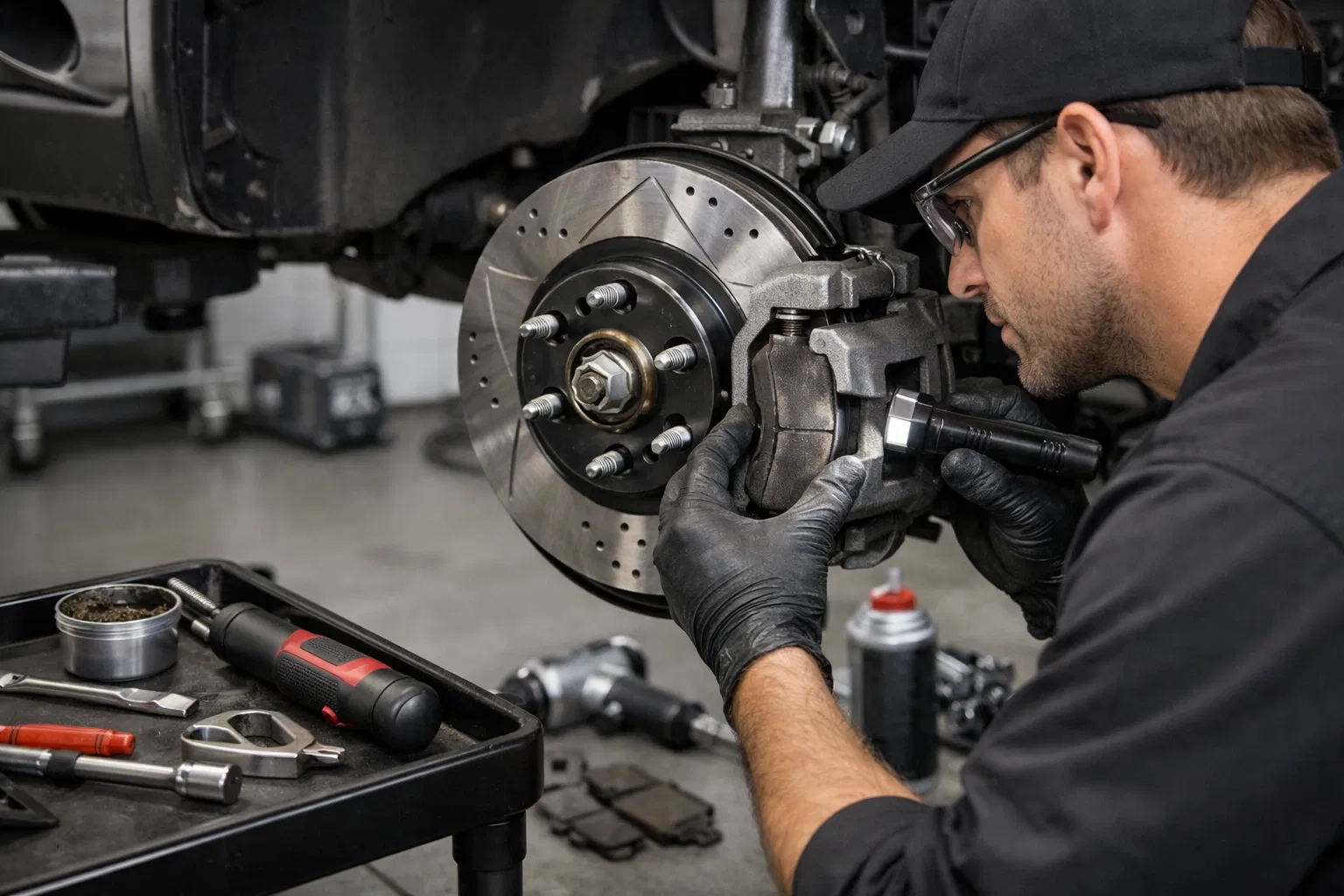
Brakes are your vehicle's most critical safety system. Regular inspection and maintenance ensure reliable stopping power and prevent dangerous failures. Warning signs include squeaking, grinding, or reduced responsiveness.

Professional brake servicing includes pad replacement, rotor inspection, fluid checks, and system diagnostics to maintain optimal safety.

Engine Diagnostics

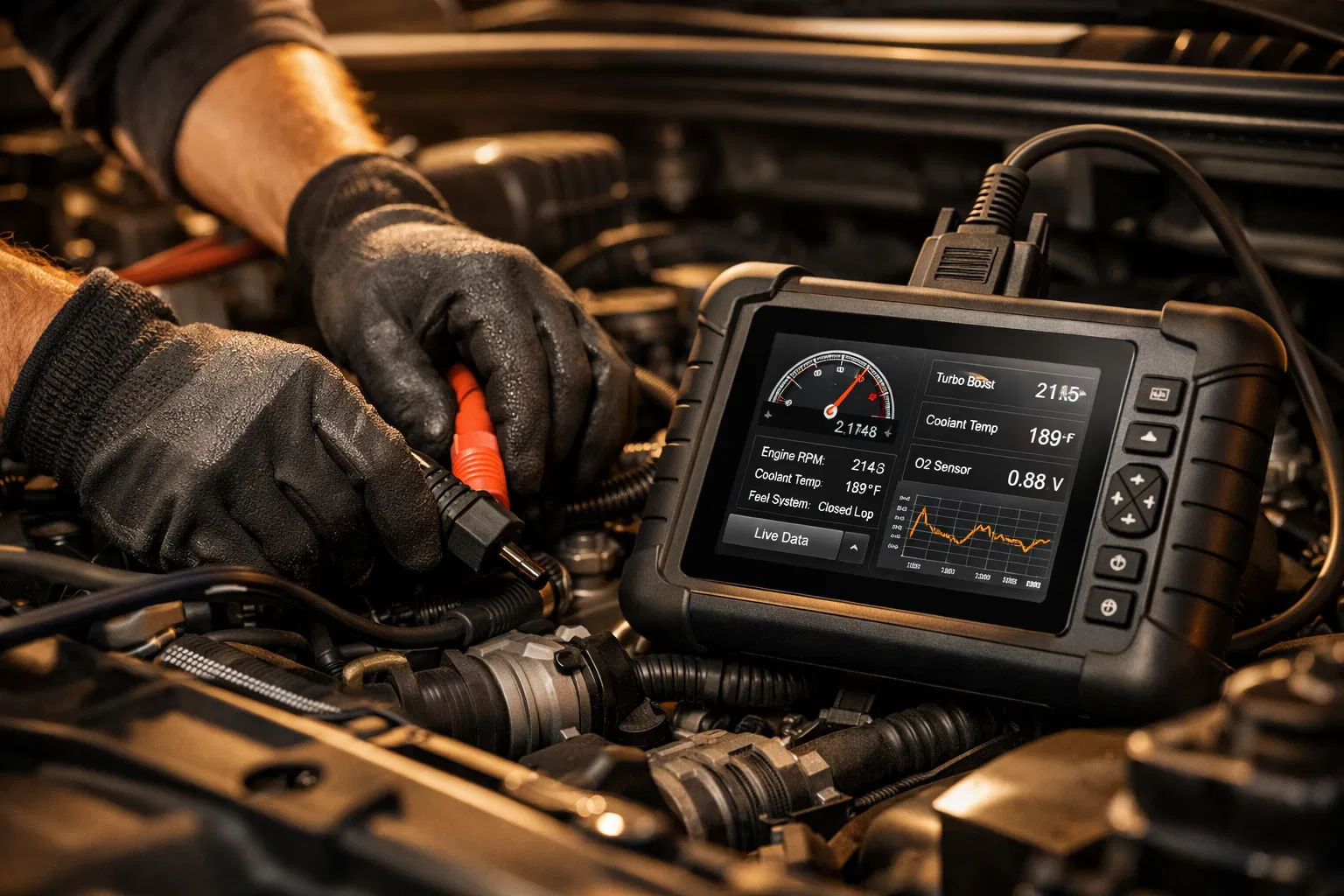
Modern engine diagnostics use sophisticated computer systems to identify issues before they become serious problems. Diagnostic scans read error codes and provide detailed information about engine performance.

Professional diagnostics help pinpoint problems accurately, reduce guesswork, and ensure targeted repairs that save time and money.

Suspension & Steering Fundamentals

Your vehicle's suspension system provides comfort, stability, and control. Regular inspections catch wear early, preventing uneven tire wear and handling problems that compromise safety and comfort.

Steering and suspension work together to keep your vehicle stable. Signs of trouble include pulling to one side, unusual noises, or a bouncy ride.

Tyre Care & Rotation

Proper tyre maintenance extends tyre life, improves fuel efficiency, and enhances safety. Regular rotation ensures even wear, while pressure checks and inspections prevent blowouts and accidents.

Rotating tyres every 10,000 km helps maximize their lifespan and maintains balanced handling and braking performance.

Roadworthy Certificate Inspection

A Roadworthy Certificate Inspection is a comprehensive safety assessment that verifies a vehicle meets minimum safety and environmental standards. In Victoria, this inspection is a legal requirement for vehicle registration and is essential when selling a vehicle to ensure it is safe for the road.

The inspection covers critical safety components including brakes, tyres, suspension, steering, lights, wipers, seatbelts, structural integrity, and emissions systems. A certified inspector evaluates each component to confirm it meets regulatory standards. The roadworthy certificate provides peace of mind that a vehicle is mechanically sound and complies with safety regulations, protecting both current and future owners.

Engine diagnostics equipment showing real-time data
Professional brake system maintenance and inspection

The Vehicle Care Journey

1

Inspection

The process begins with a thorough visual and mechanical inspection of your vehicle. Technicians examine fluid levels, check for leaks, inspect brakes, suspension, tyres, and other critical systems to establish a baseline of your vehicle's condition.

2

Diagnosis

Using diagnostic equipment and professional expertise, technicians identify any issues or areas requiring attention. This includes computer diagnostics for engine problems, brake system checks, and detailed assessments of wear and damage.

3

Recommended Service

Based on inspection and diagnosis findings, a customized service plan is developed. This may include routine maintenance (fluid changes, filter replacements) or specific repairs addressing identified issues. The plan prioritizes safety and vehicle longevity.

4

Repair & Quality Check

Professional technicians execute the service plan using quality parts and proven techniques. After completion, a comprehensive quality check ensures all work meets standards, systems function properly, and your vehicle is safe and reliable for the road.

How to Choose the Right Automotive Service for Your Vehicle

When to Service Your Car

Your vehicle's service schedule is your roadmap to reliability. Most manufacturers recommend servicing every 6 months or 10,000 km, whichever comes first. However, this can vary based on your vehicle's age, model, and driving conditions. Consult your logbook for the manufacturer's specific recommendations. Regular servicing prevents small issues from becoming expensive problems and keeps your warranty intact.

Warning Signs to Look For

Your vehicle communicates when something needs attention. Warning lights on your dashboard, unusual noises (grinding, squeaking, knocking), changes in handling, reduced braking responsiveness, or fluid leaks are all signals to seek professional inspection. Don't ignore these signs—early intervention prevents safety risks and costly repairs. If you notice anything unusual, have your vehicle inspected promptly.

Differences Between Minor and Major Servicing

Minor servicing focuses on routine maintenance: oil and filter changes, fluid top-ups, and basic inspections. It's typically performed every 6 months or 10,000 km. Major servicing is more comprehensive, occurring every 12 months or 20,000 km, and includes everything in minor servicing plus additional checks of suspension, brakes, steering, and other systems. Understanding these differences helps you plan maintenance and budgets effectively.

Safety Considerations

Safety is paramount. Regular servicing ensures critical systems—brakes, steering, suspension, and lighting—function reliably. Neglecting maintenance increases accident risk and can result in dangerous failures on the road. Professional servicing includes safety inspections that identify and address potential hazards before they become emergencies. Your vehicle's safety is your responsibility; prioritize regular maintenance.

Common Repair Categories

Automotive repairs typically fall into several categories. Preventive maintenance (servicing, fluid changes) keeps vehicles running smoothly. Wear-related repairs address components that deteriorate over time (brake pads, tyres, filters). Mechanical repairs fix broken or malfunctioning parts (engine, transmission, suspension). Electrical repairs address battery, alternator, and lighting issues. Understanding these categories helps you grasp what your vehicle needs and why.

For real-world examples of common service procedures, professional automotive centres in areas like Clayton provide valuable reference points for understanding how comprehensive vehicle diagnostics and maintenance are performed. A local automotive centre in Clayton highlights the importance of regular diagnostics for vehicle safety and reliability.

Learn more about professional automotive servicing standards and how they apply to your vehicle maintenance needs. Additionally, you can find more information about local automotive resources at this local automotive centre location.

Why Automotive Knowledge Matters

Better Safety

Understanding your vehicle's maintenance needs ensures critical safety systems function reliably, protecting you and your passengers on every journey.

Longer Vehicle Lifespan

Regular maintenance and timely repairs extend your vehicle's life, maximizing your investment and delaying the need for replacement.

Lower Repair Costs

Preventive maintenance catches issues early, avoiding expensive emergency repairs and reducing overall ownership costs.

Improved Reliability

A well-maintained vehicle is dependable, reducing breakdowns and ensuring your car is ready when you need it.

Confidence on the Road

Knowledge and proper maintenance give you peace of mind, allowing you to drive with confidence and focus on the journey.

Better Resale Value

A complete service history and well-maintained vehicle commands a higher resale price when you decide to upgrade.

Frequently Asked Questions

Ultra Tune Clayton

Address

1362 Centre Rd, Clayton VIC 3168